Military & Strategy 8 Papers
How military command, tactics, and strategic thinking appear across classical texts.
Military Strategy
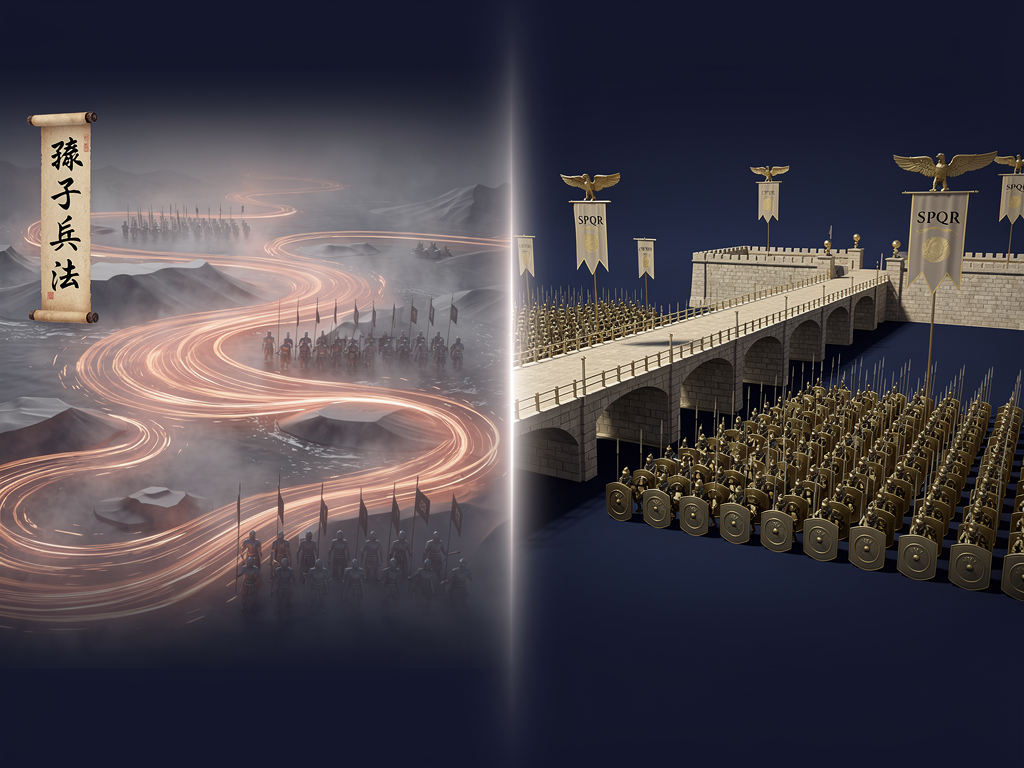
Eastern Strategy vs. Western Force: Sun Tzu and Caesar on the Art of War
Sun Tzu advocates deception, fluidity, and minimal engagement. Caesar demonstrates directness, engineering superiority, and decisive battle. These contrasting approaches reveal deeper cultural assumptions about power, honor, and the purpose of war.
Military Strategy
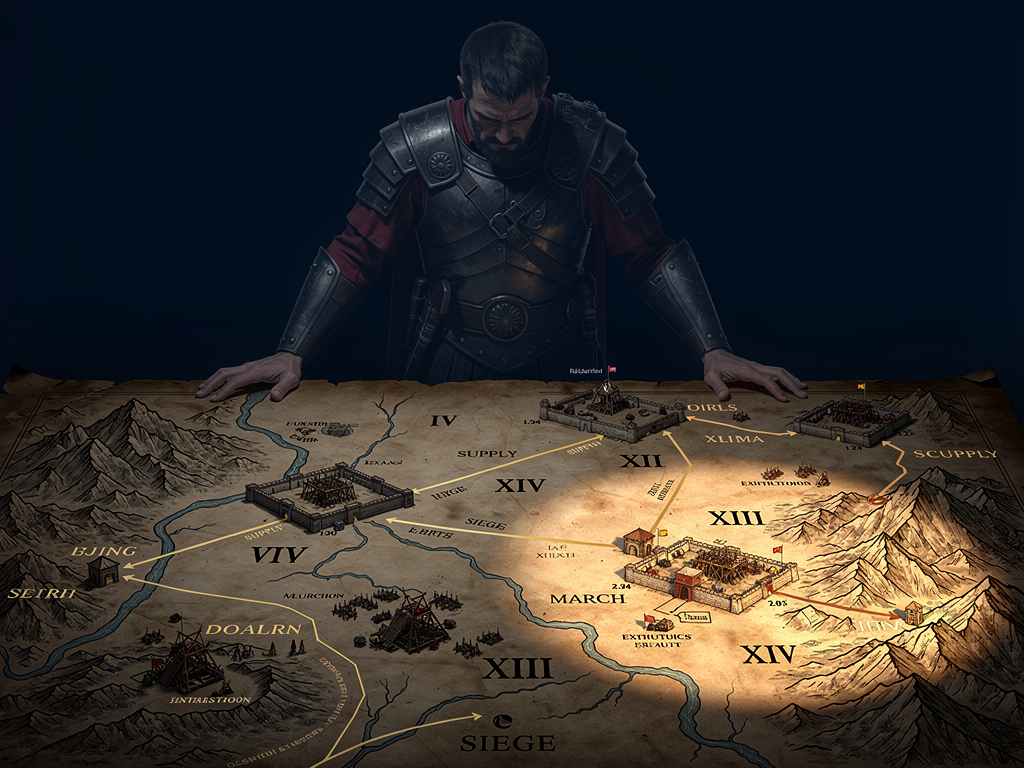
Victory and Its Price: Military Strategy and Leadership in the Ancient World
War is won by systems, logistics, and endurance — not heroism. Drawing from Caesar's Gallic Wars, Xenophon's Anabasis, and Thucydides' History, this essay examines what separates effective commanders from failures: speed as systematic advantage, strategic retreat and morale leadership, the limits of brilliant strategy, and the unglamorous reality that logistics determines outcomes more than tactics.
Military Strategy
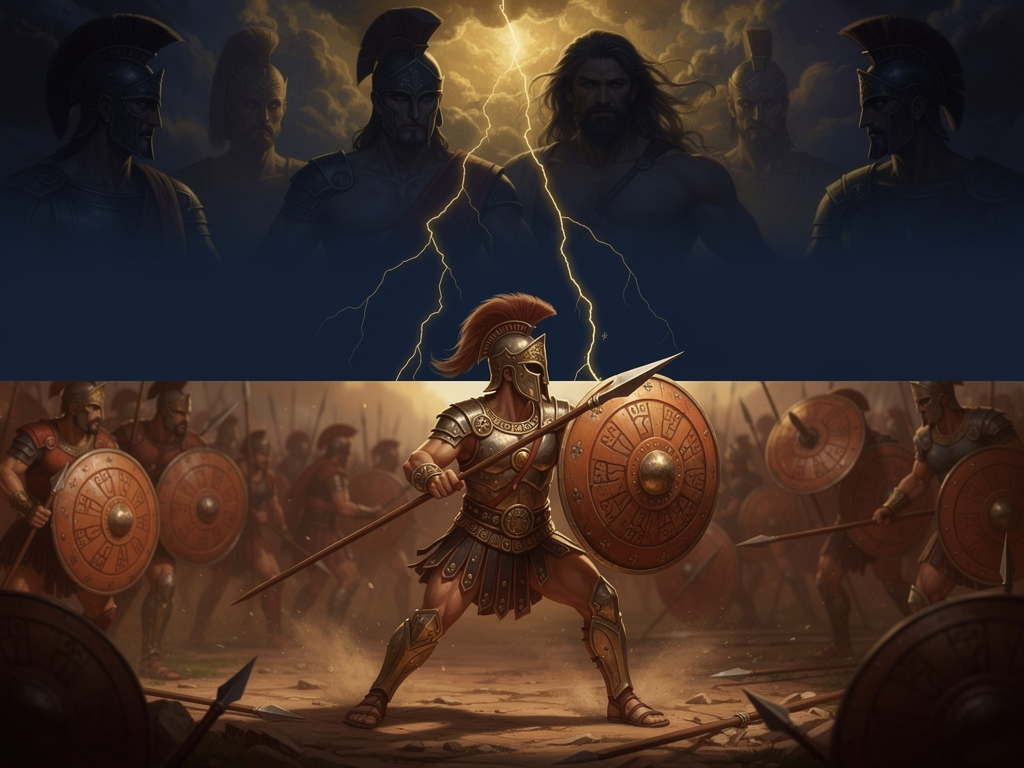
War as Divine Drama: Strategic Thought in Homer
How Homer's Iliad and Odyssey established warfare as heroic individual excellence governed by divine will and fate—creating a model that dominated Greek consciousness for centuries. Part 1 of the Strategic Thought in Classical Warfare series.
Military Strategy
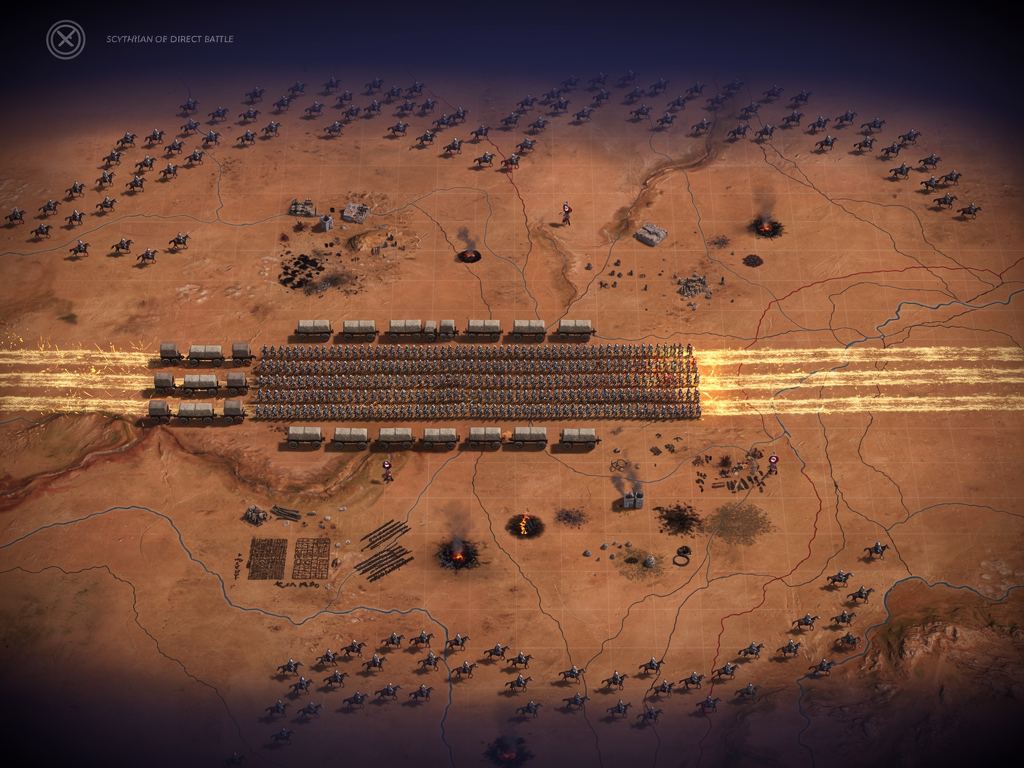
Geography as Weapon: Herodotus and Strategic Intelligence
How Herodotus introduced geographic and ethnographic analysis as essential strategic intelligence, documenting the first systematic account of guerrilla warfare in the Scythian campaign. Part 2 of the Strategic Thought in Classical Warfare series.
Military Strategy
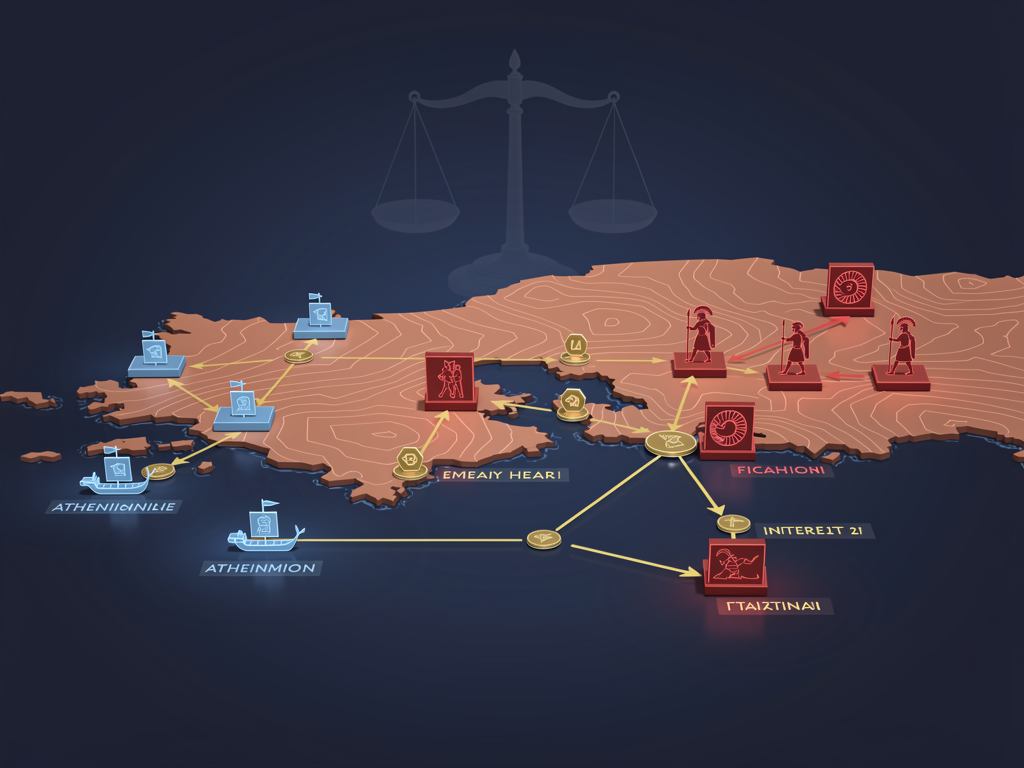
The Rationalization of War: Thucydides and Power Politics
How Thucydides completed the secularization of strategic thought through systematic power analysis, establishing warfare as rational calculation driven by fear, honor, and interest. Part 3 of the Strategic Thought in Classical Warfare series.
Military Strategy
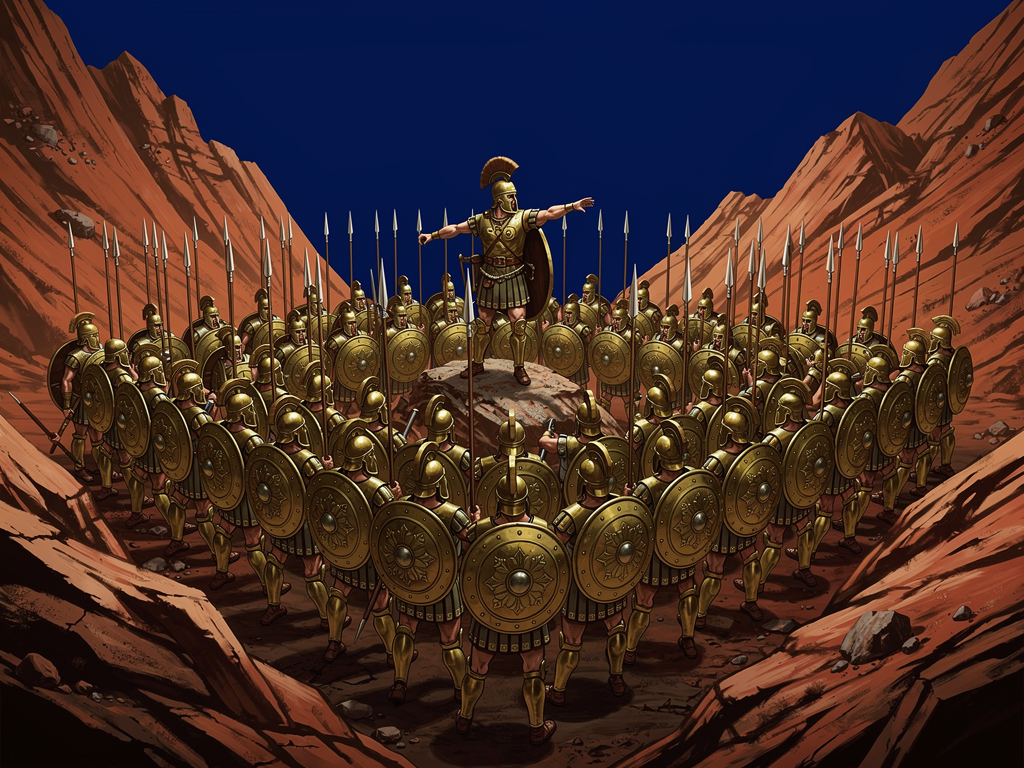
The Professional Soldier: Xenophon and Meritocratic Command
How Xenophon's Anabasis documented the emergence of professional military leadership based on demonstrated competence rather than aristocratic birth—separating warrior skill from social identity. Part 4 of the Strategic Thought in Classical Warfare series.
Military Strategy
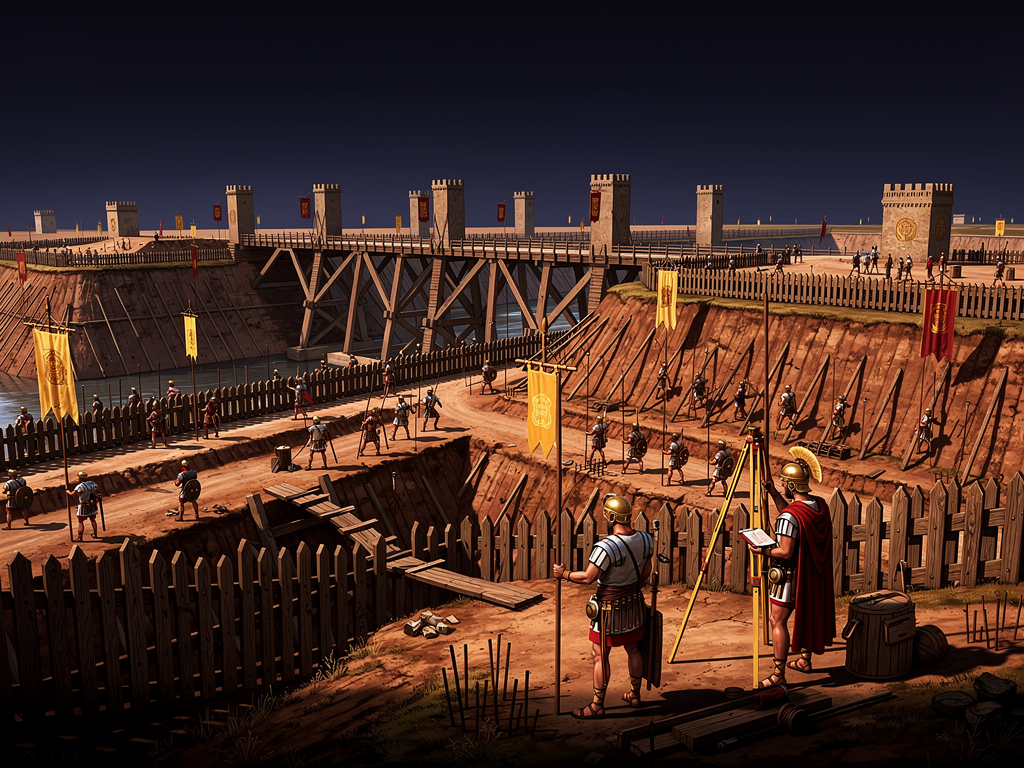
War as Political Instrument: Caesar's Systematic Conquest
How Caesar's Gallic Wars demonstrated warfare as calculated instrument of personal political power through systematic propaganda, engineering dominance, and operational speed. Part 5 of the Strategic Thought in Classical Warfare series.
Military Strategy
The Professionalization Arc: From Divine Fate to Calculated Instrument
Synthesizing the evolutionary pattern across five centuries: from divine drama to rational instrument, individual hero to systematic professional, honor to interest, fate to calculation. Part 6 of the Strategic Thought in Classical Warfare series (Synthesis).