Research Papers
Long-form cross-textual analysis identifying what can only be seen when multiple classical sources are read together. Each paper traces a single thread across authors, centuries, and genres.
Cross Cultural
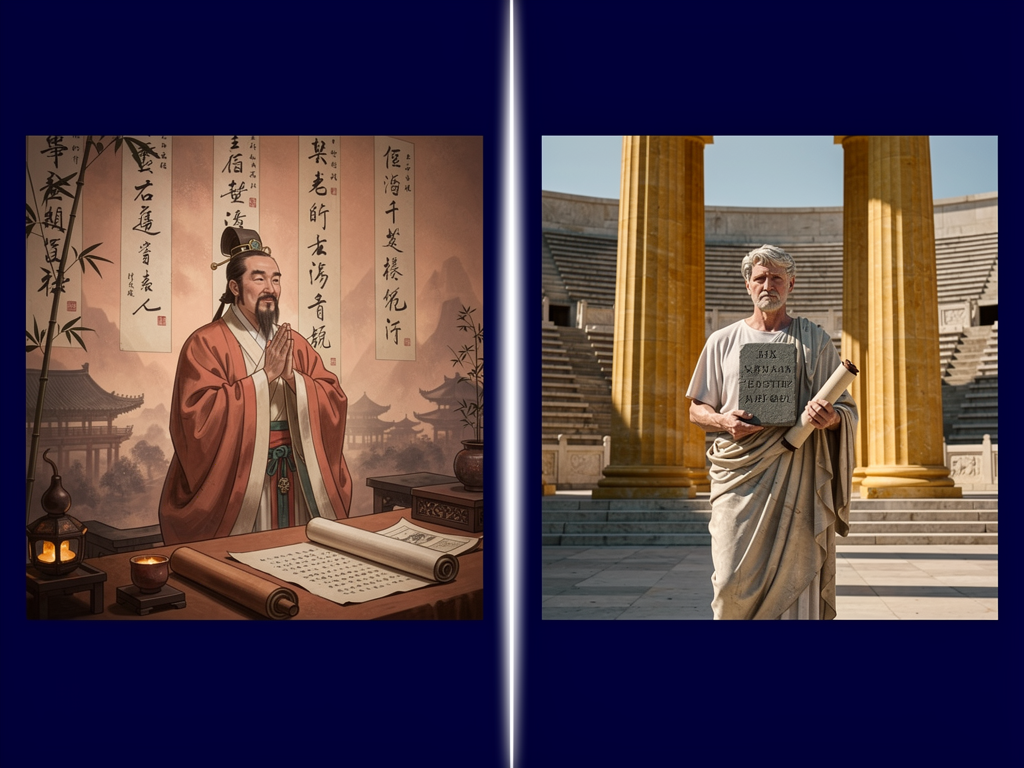
Governance by Virtue vs. Governance by Law: Confucius and Thucydides
Confucius and Thucydides were near-contemporaries addressing the same problem—political stability—yet reached opposite solutions. Testing Confucian virtue-governance against Athenian democracy reveals why both failed and what synthesis emerges.
Cross Cultural
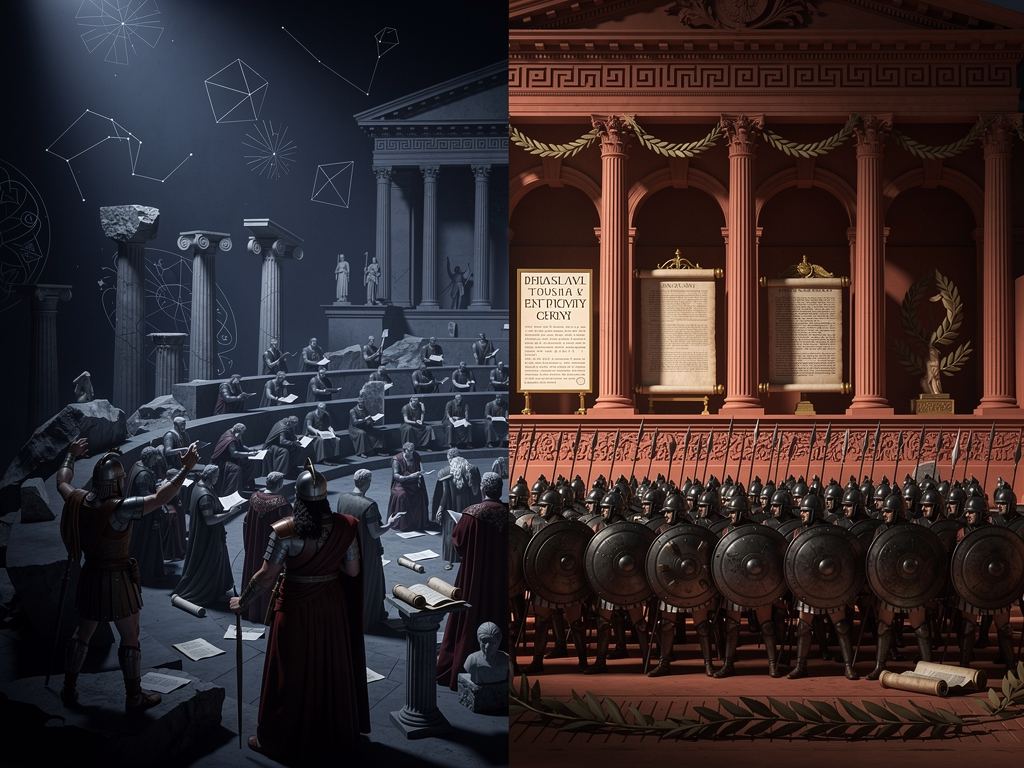
Greek and Roman: Two Civilizations, One Contradiction
Greece valued diversity and debate; Rome valued order and unity. Both produced greatness. Both failed for opposite reasons — Greece through excess freedom, Rome through excess order. Drawing from the entire ancient canon (Herodotus, Thucydides, Plutarch, Caesar, Tacitus, Homer, Plato), this essay synthesizes Greek and Roman approaches to politics, war, honor, philosophy, religion, and truth itself. The tension between these two impulses defines persistent civilizational debates: freedom vs security, innovation vs stability, pluralism vs unity.
Historical Methodology
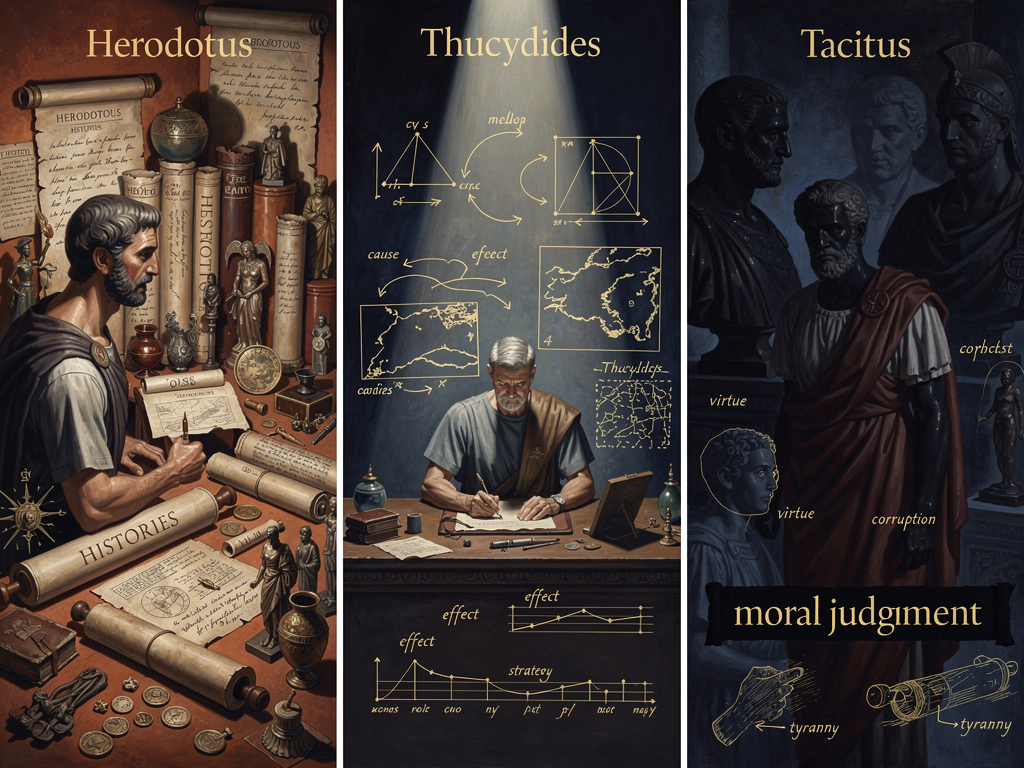
The Historian's Craft: Three Ways of Knowing the Past
Herodotus the collector, Thucydides the analyst, Tacitus the psychologist — three distinct approaches to historical truth. This essay examines ancient historiographic method not as competing ideologies but as complementary ways of knowing: cultural patterns (Herodotus), structural forces (Thucydides), and psychological depth (Tacitus). The best historians acknowledge the limits of knowledge; the worst pretend to omniscience.
Leadership Virtue
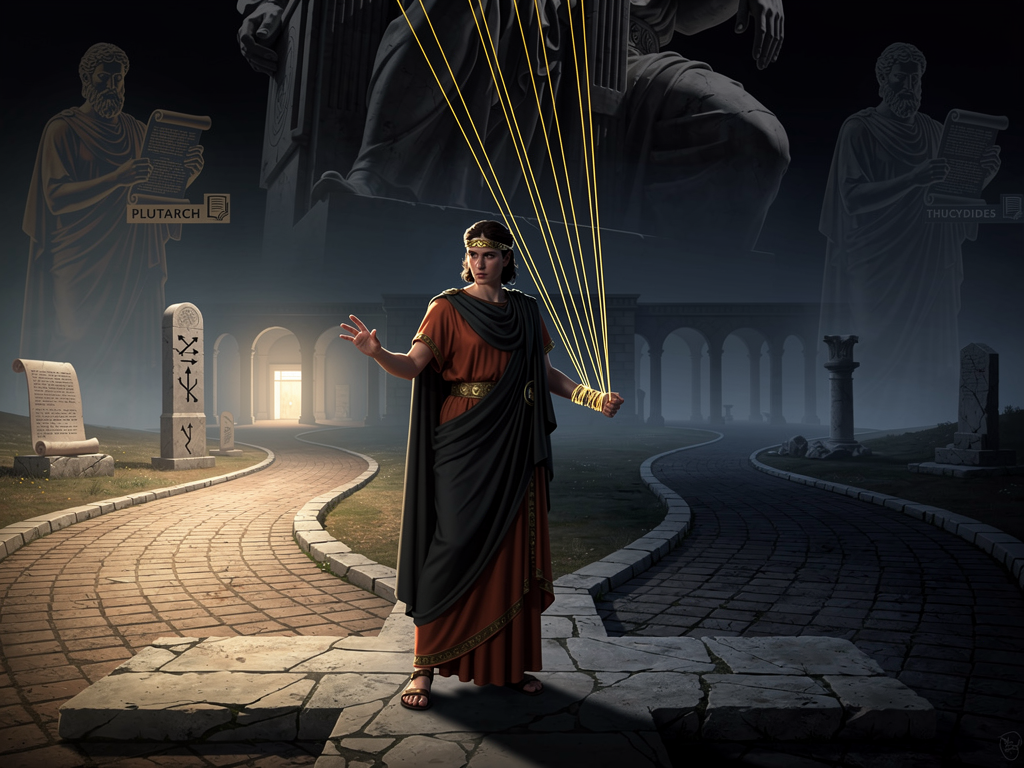
Character and Fate: Do Individuals Shape History, or Does History Shape Them?
Plutarch's 'great man' theory meets Thucydides' structural determinism. Do individuals shape history, or does history shape them? Drawing from Plutarch's Lives, Thucydides' analysis, Homer's tragic view, and Tacitus' autocratic psychology, this essay argues that character matters when constraints are loose, structure matters when constraints are tight — and the Homeric view offers synthesis: fate constrains outcomes, but choices reveal who you are.
Military Strategy
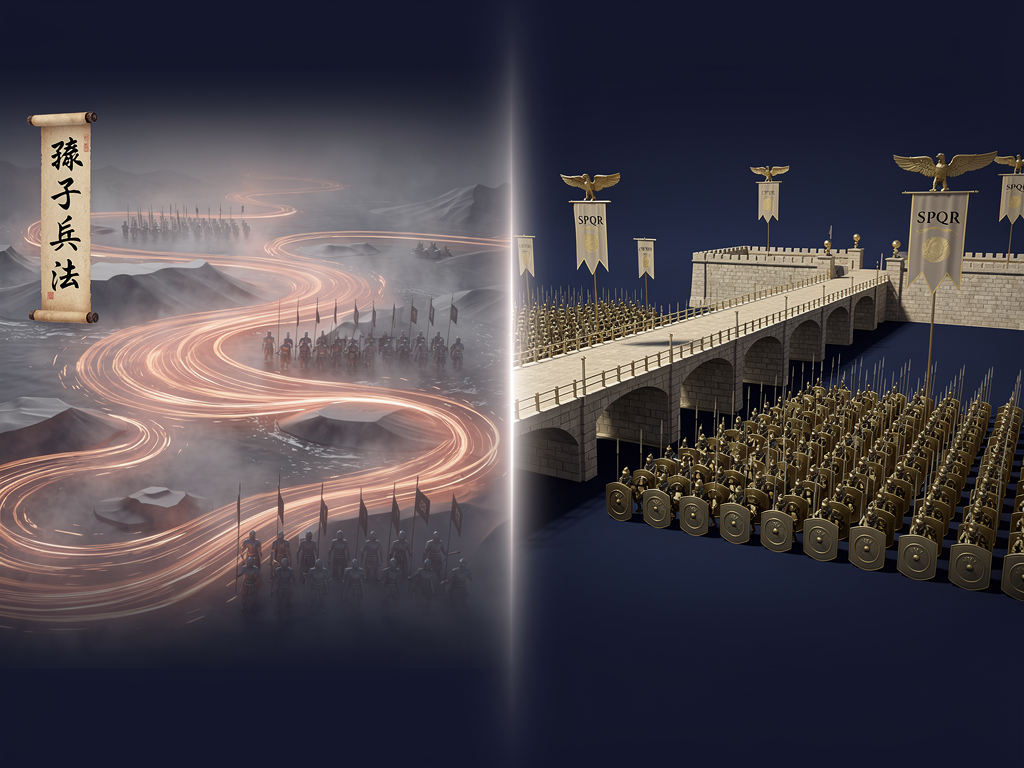
Eastern Strategy vs. Western Force: Sun Tzu and Caesar on the Art of War
Sun Tzu advocates deception, fluidity, and minimal engagement. Caesar demonstrates directness, engineering superiority, and decisive battle. These contrasting approaches reveal deeper cultural assumptions about power, honor, and the purpose of war.
Military Strategy
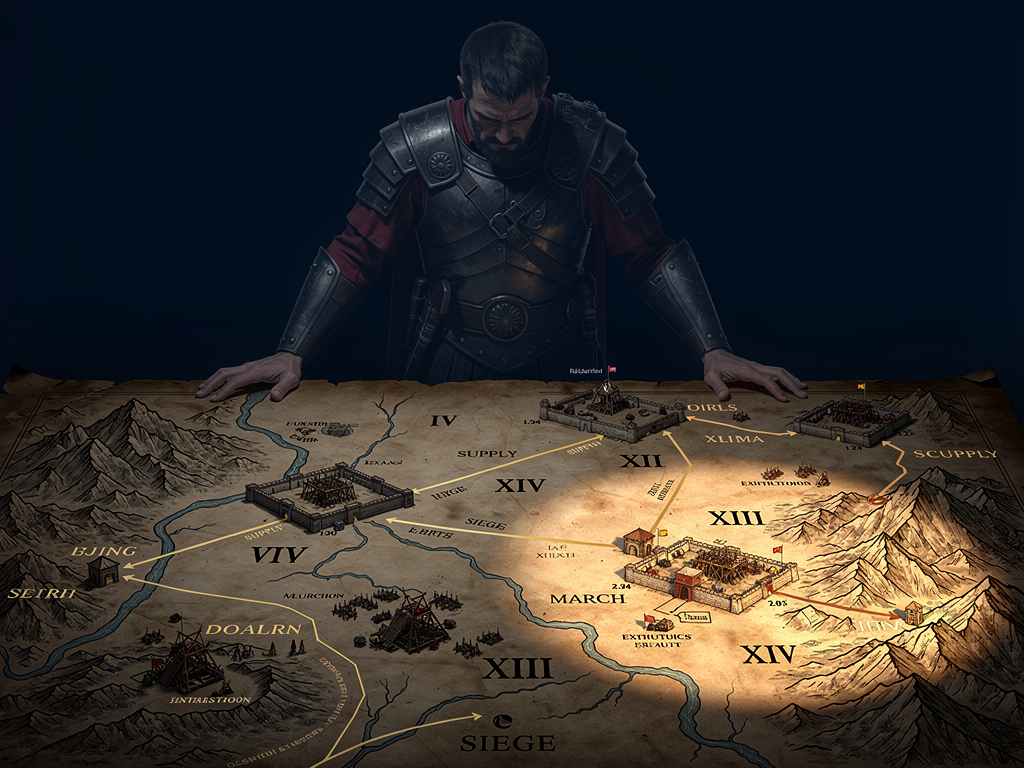
Victory and Its Price: Military Strategy and Leadership in the Ancient World
War is won by systems, logistics, and endurance — not heroism. Drawing from Caesar's Gallic Wars, Xenophon's Anabasis, and Thucydides' History, this essay examines what separates effective commanders from failures: speed as systematic advantage, strategic retreat and morale leadership, the limits of brilliant strategy, and the unglamorous reality that logistics determines outcomes more than tactics.
Power Authority
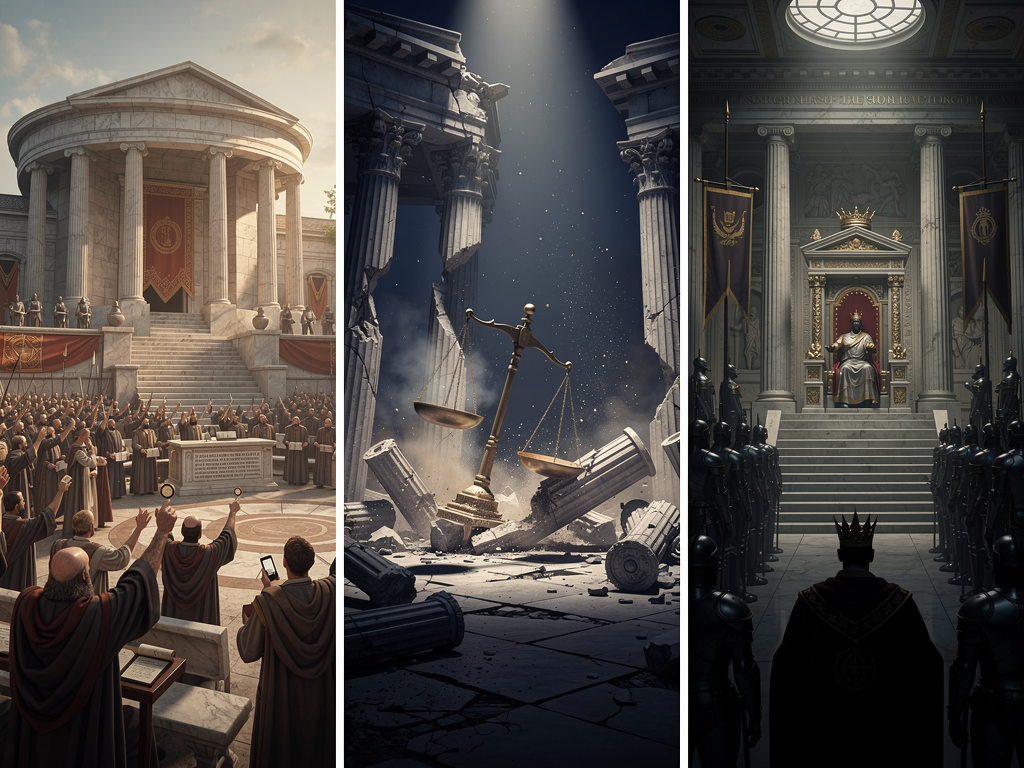
The Anatomy of Power: Political Thought in the Ancient World
Democracy, oligarchy, monarchy — each contains the seeds of its own transformation. Drawing from Herodotus, Thucydides, Plutarch, Tacitus, Suetonius, and Plato, this essay synthesizes the ancient world's most penetrating analyses of how power actually functions, why political systems are inherently unstable, and what the cycle of constitutional degeneration reveals about the trade-offs between liberty and security.
Leadership Virtue
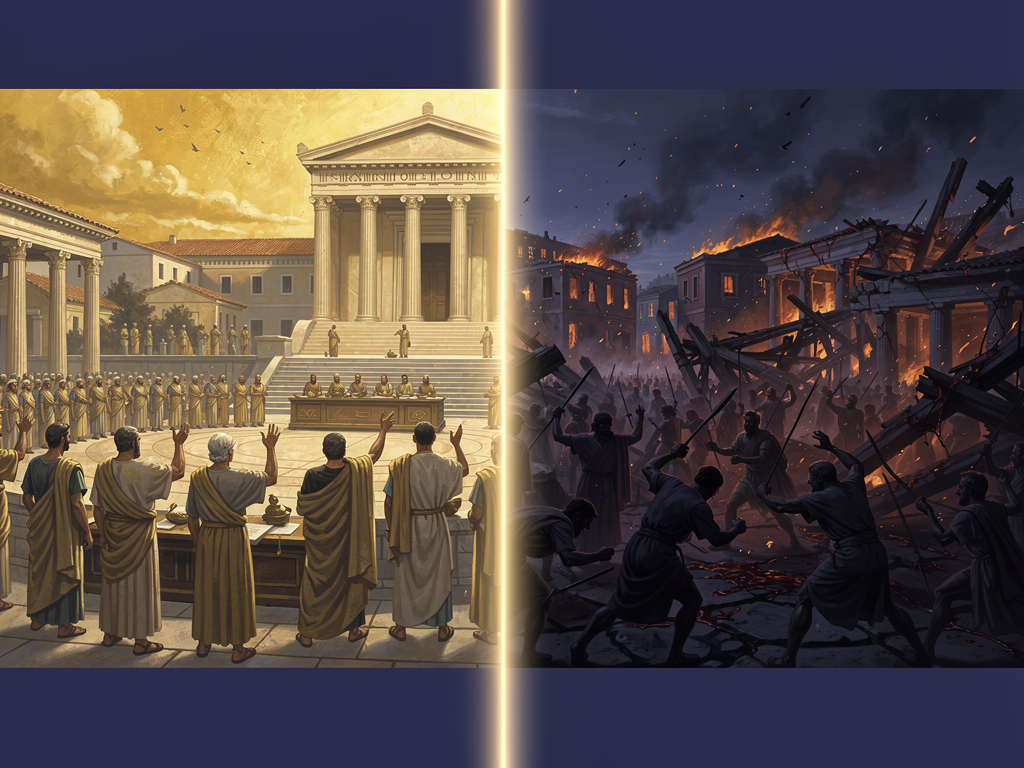
Civic Virtue as Political Foundation: Thucydides on the Fragility of Moral Order
How Thucydides documented civil war's destruction of moral categories—when war removes 'easy supply of daily wants,' virtue becomes vice and vice becomes virtue, revealing civic virtue as contingent on material prosperity rather than inherent human nature. Part 1 of the Virtue & Corruption series.
Leadership Virtue
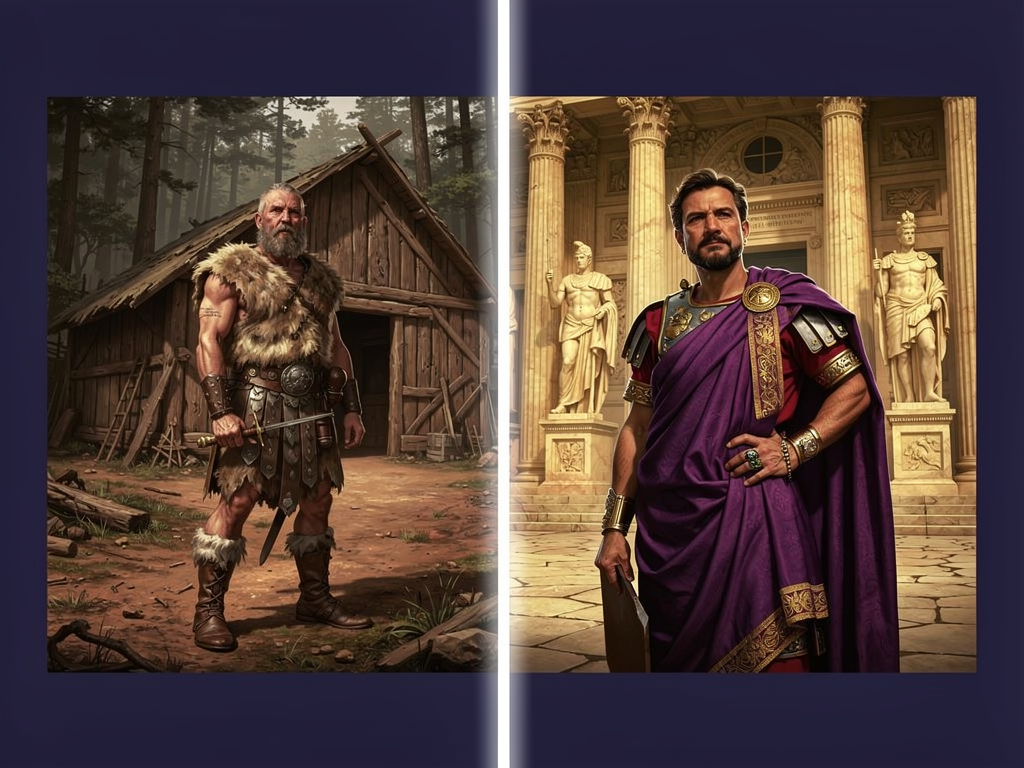
Barbarian Virtue as Roman Mirror: Tacitus on Germanic Moral Superiority
How Tacitus depicted Germanic martial valor, marital fidelity, and political liberty as mirror exposing Roman corruption—yet revealed barbarian virtue as product of poverty, validating Thucydides's materialist account. Part 2 of Virtue & Corruption series.
Leadership Virtue
The Virtue Paradox: Material Conditions and Moral Order
Synthesizing Thucydides and Tacitus: all virtue depends on material conditions. Poverty enables martial virtue, prosperity enables civic refinement yet breeds corruption. Political philosophy's foundation collapses—virtue cannot ground stable order. Part 3 of Virtue & Corruption series.

Military Strategy
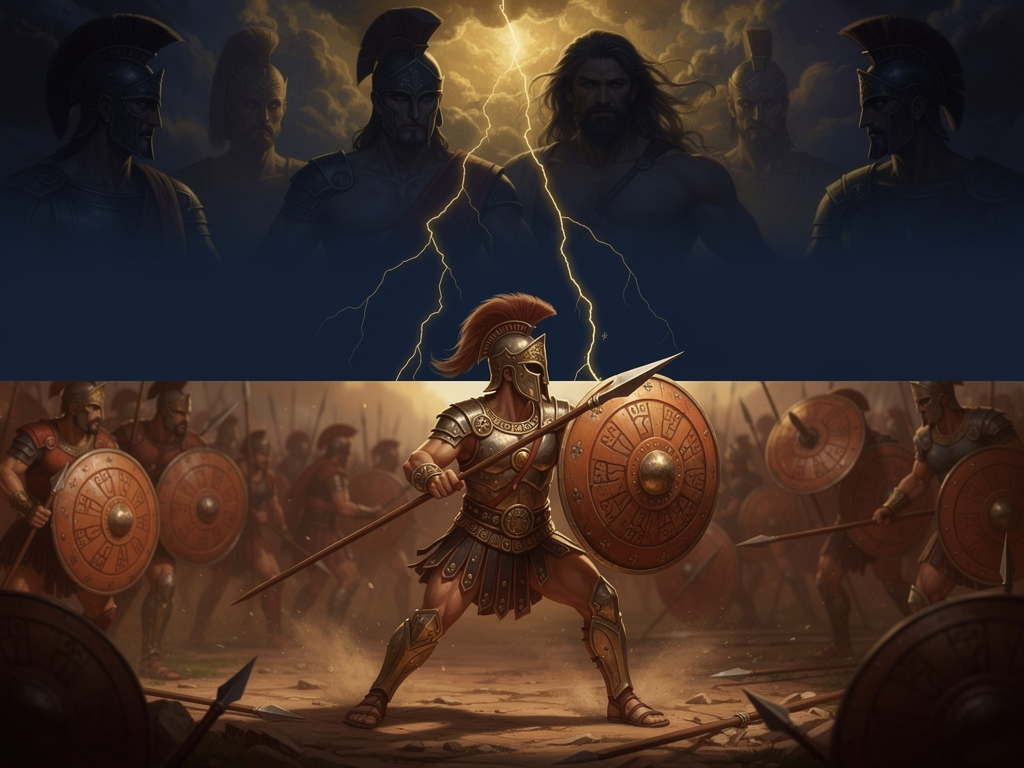
War as Divine Drama: Strategic Thought in Homer
How Homer's Iliad and Odyssey established warfare as heroic individual excellence governed by divine will and fate—creating a model that dominated Greek consciousness for centuries. Part 1 of the Strategic Thought in Classical Warfare series.
Military Strategy
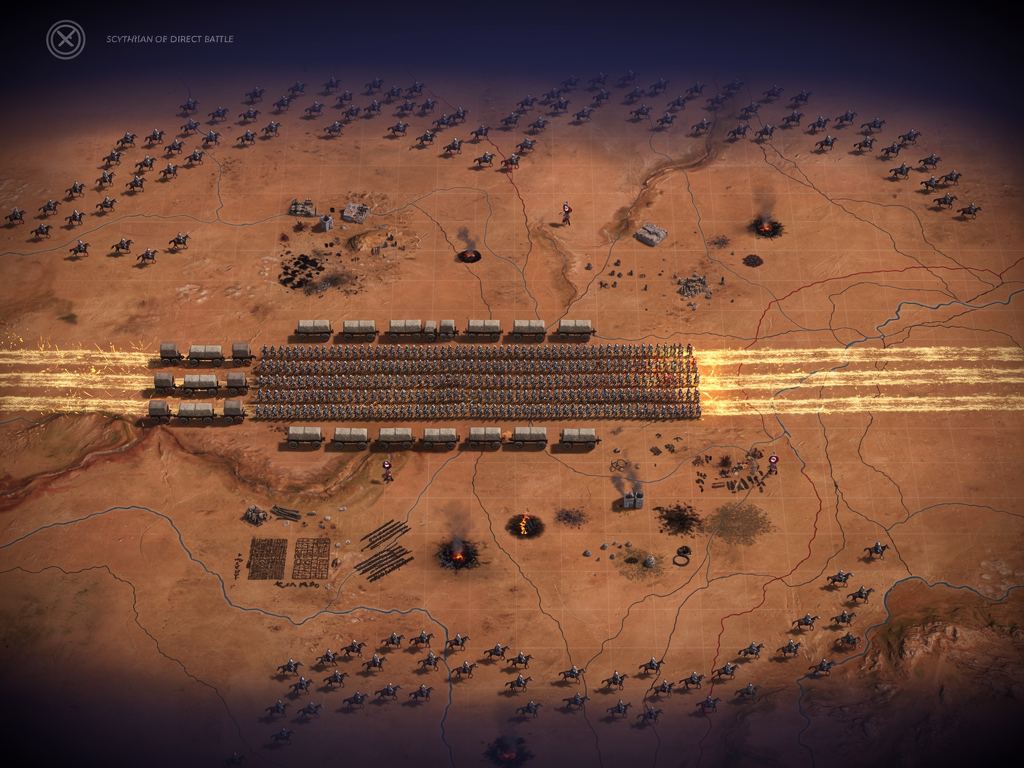
Geography as Weapon: Herodotus and Strategic Intelligence
How Herodotus introduced geographic and ethnographic analysis as essential strategic intelligence, documenting the first systematic account of guerrilla warfare in the Scythian campaign. Part 2 of the Strategic Thought in Classical Warfare series.
Military Strategy
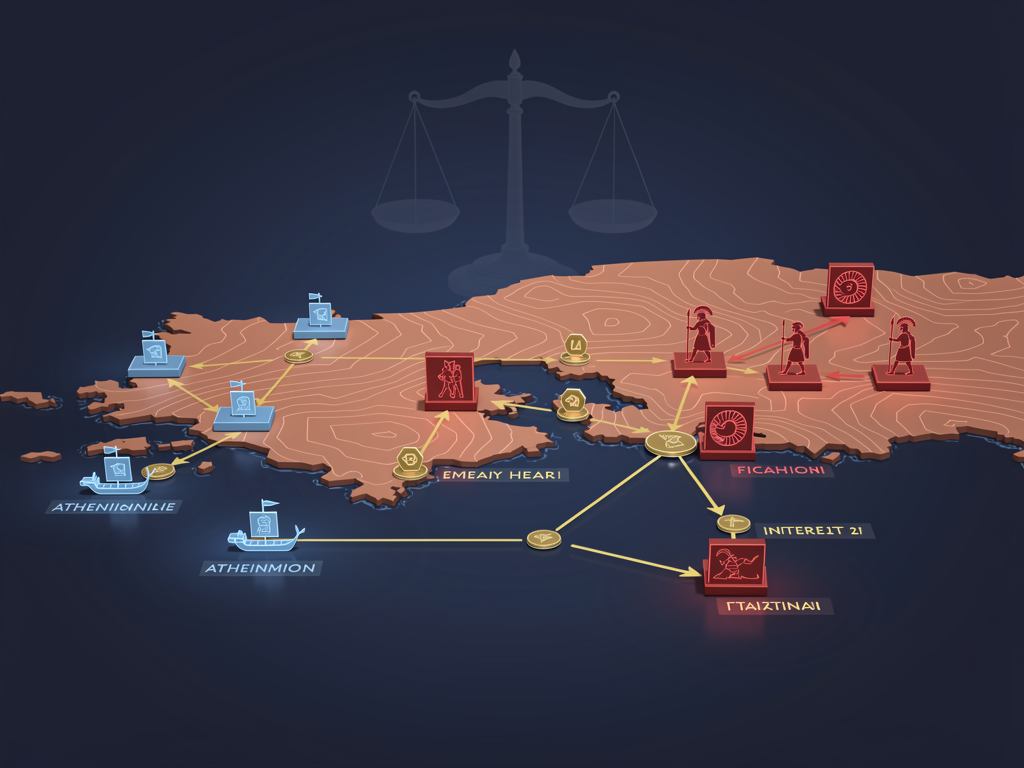
The Rationalization of War: Thucydides and Power Politics
How Thucydides completed the secularization of strategic thought through systematic power analysis, establishing warfare as rational calculation driven by fear, honor, and interest. Part 3 of the Strategic Thought in Classical Warfare series.
Military Strategy
The Professional Soldier: Xenophon and Meritocratic Command
How Xenophon's Anabasis documented the emergence of professional military leadership based on demonstrated competence rather than aristocratic birth—separating warrior skill from social identity. Part 4 of the Strategic Thought in Classical Warfare series.
Military Strategy
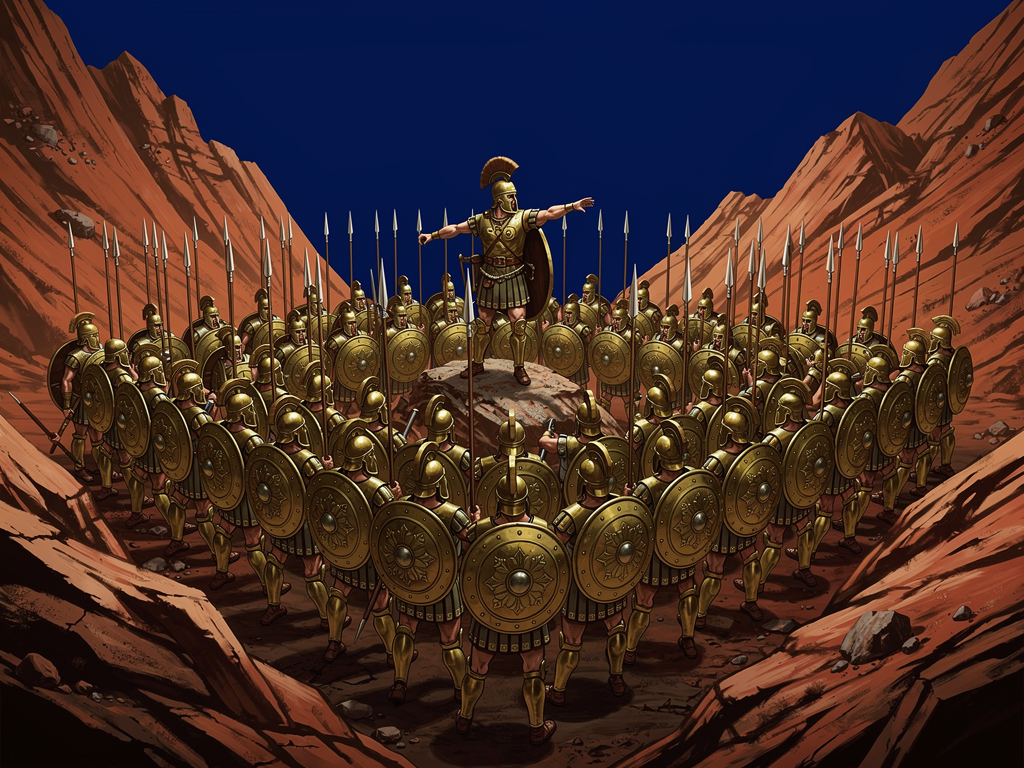
War as Political Instrument: Caesar's Systematic Conquest
How Caesar's Gallic Wars demonstrated warfare as calculated instrument of personal political power through systematic propaganda, engineering dominance, and operational speed. Part 5 of the Strategic Thought in Classical Warfare series.
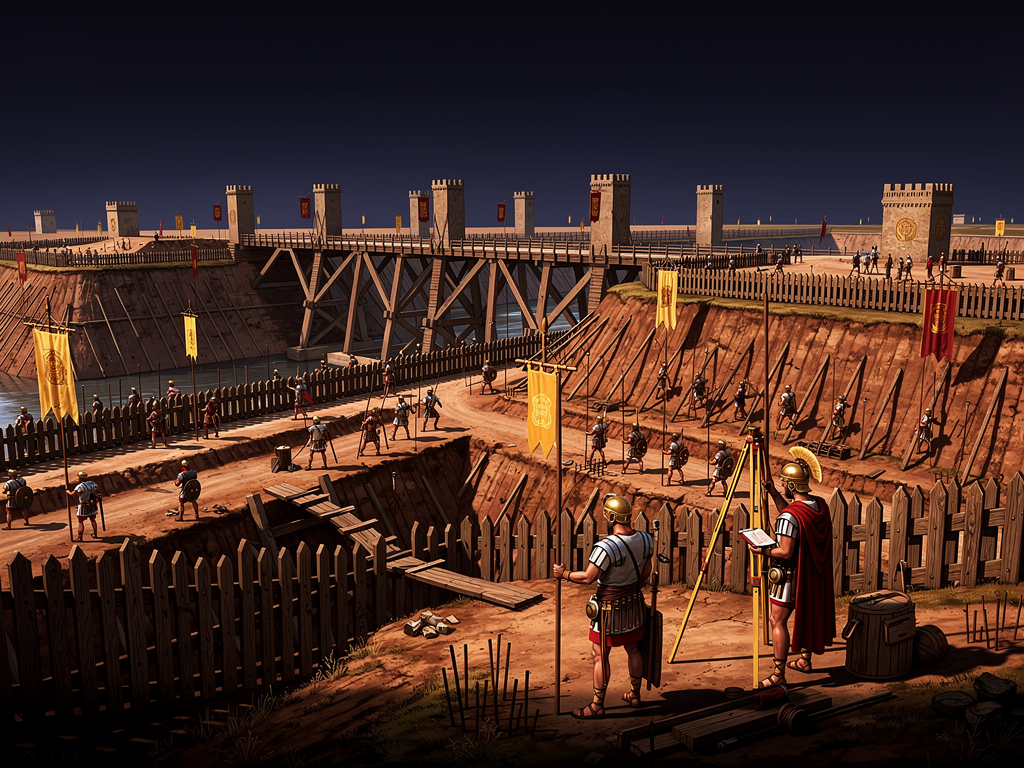
Military Strategy
The Professionalization Arc: From Divine Fate to Calculated Instrument
Synthesizing the evolutionary pattern across five centuries: from divine drama to rational instrument, individual hero to systematic professional, honor to interest, fate to calculation. Part 6 of the Strategic Thought in Classical Warfare series (Synthesis).

Power Authority
The Persian Constitutional Debate: The Origins of Political Theory
How Herodotus's account of Persian nobles debating democracy, oligarchy, and monarchy after Cambyses' death represents the first systematic articulation of political theory in Western literature. Part 1 of the Democracy & Authority series.

Power Authority
Athenian Democracy in Practice: From Funeral Oration to Oligarchic Coup
How Thucydides documented Athenian democracy's trajectory from Periclean idealism through catastrophic failure—the Mytilene debate, Sicilian disaster, and oligarchic coup revealing structural tensions between popular sovereignty and strategic competence. Part 2 of the Democracy & Authority series.
Power Authority
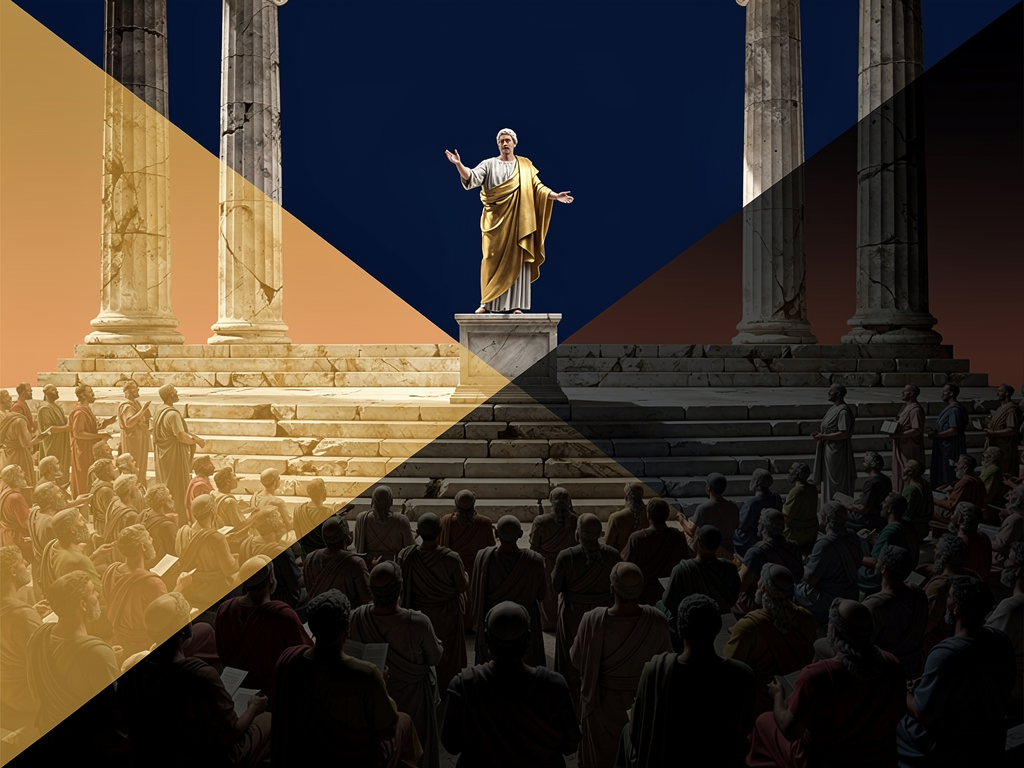
The Autocratic Alternative: Efficiency, Stability, and the Price of Centralization
How Persian, Macedonian, and Roman imperial systems demonstrated autocracy's appeal through decisive command and strategic continuity—yet created new vulnerabilities through succession crises and administrative tyranny. Part 3 of the Democracy & Authority series.

Power Authority
The Democratic Paradox: When Popular Sovereignty Meets Strategic Necessity
Synthesizing three papers of evidence: democracy excels when least needed (peace) yet fails when most needed (crisis). The structural tension between deliberative legitimacy and decisive action remains unresolved in modern governance. Part 4 of the Democracy & Authority series.

Cross Cultural
Narrative Techniques in Herodotus and Sima Qian: Parallel Approaches to Universal History
How Herodotus and Sima Qian independently developed similar narrative techniques for writing universal history despite cultural and temporal separation.

Power Authority
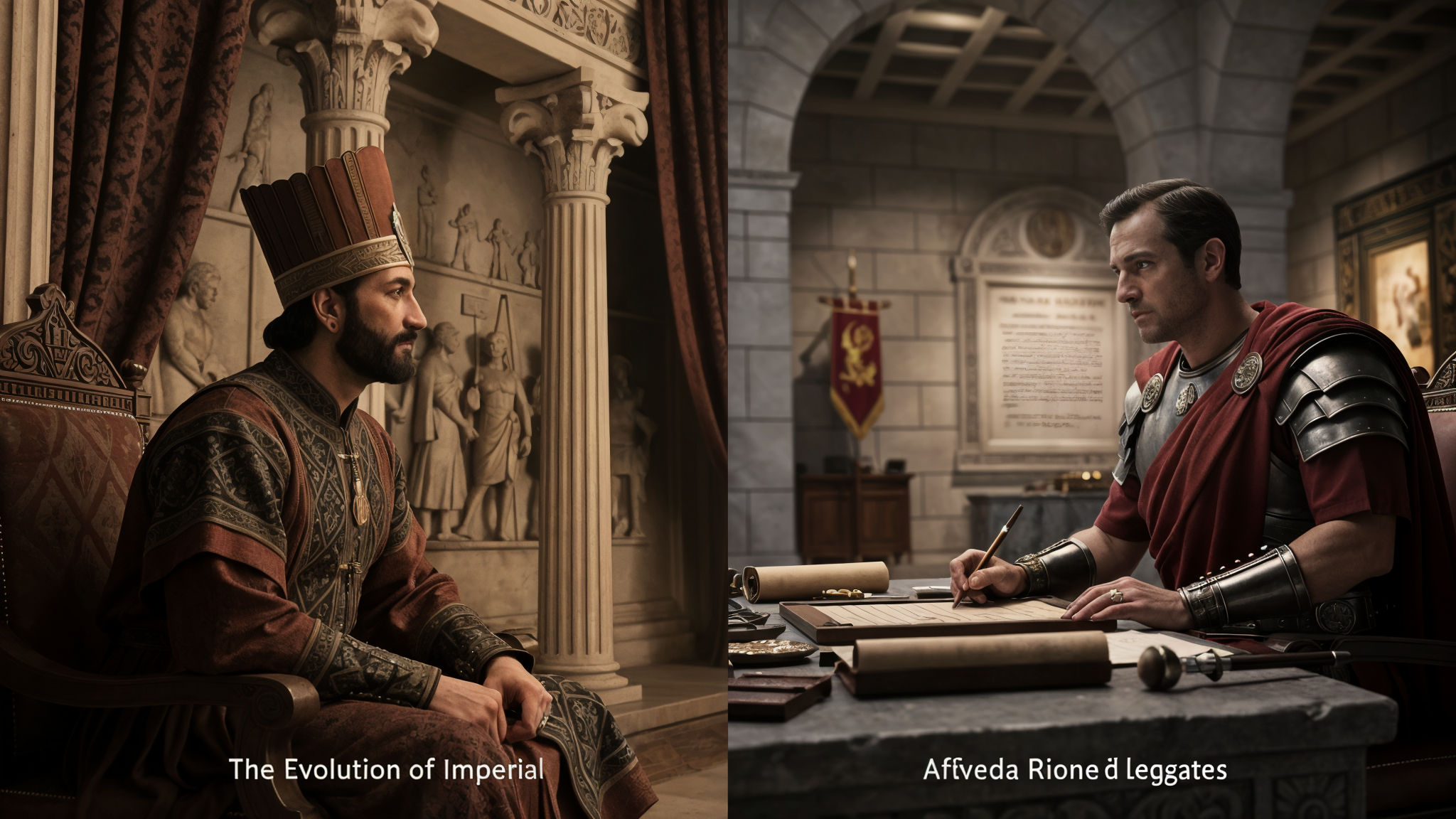
The Evolution of Imperial Command: From Persian Satraps to Roman Legates
How the nature of imperial military command transformed from Herodotus's satraps to Tacitus's legates, reflecting broader shifts in political authority.
Historical Methodology
Cross-Textual Analysis: Revealing Hidden Patterns in Classical Literature
The methodology behind Xander Grey's approach to classical texts: how reading across authors reveals insights invisible to single-text analysis.
Power Authority
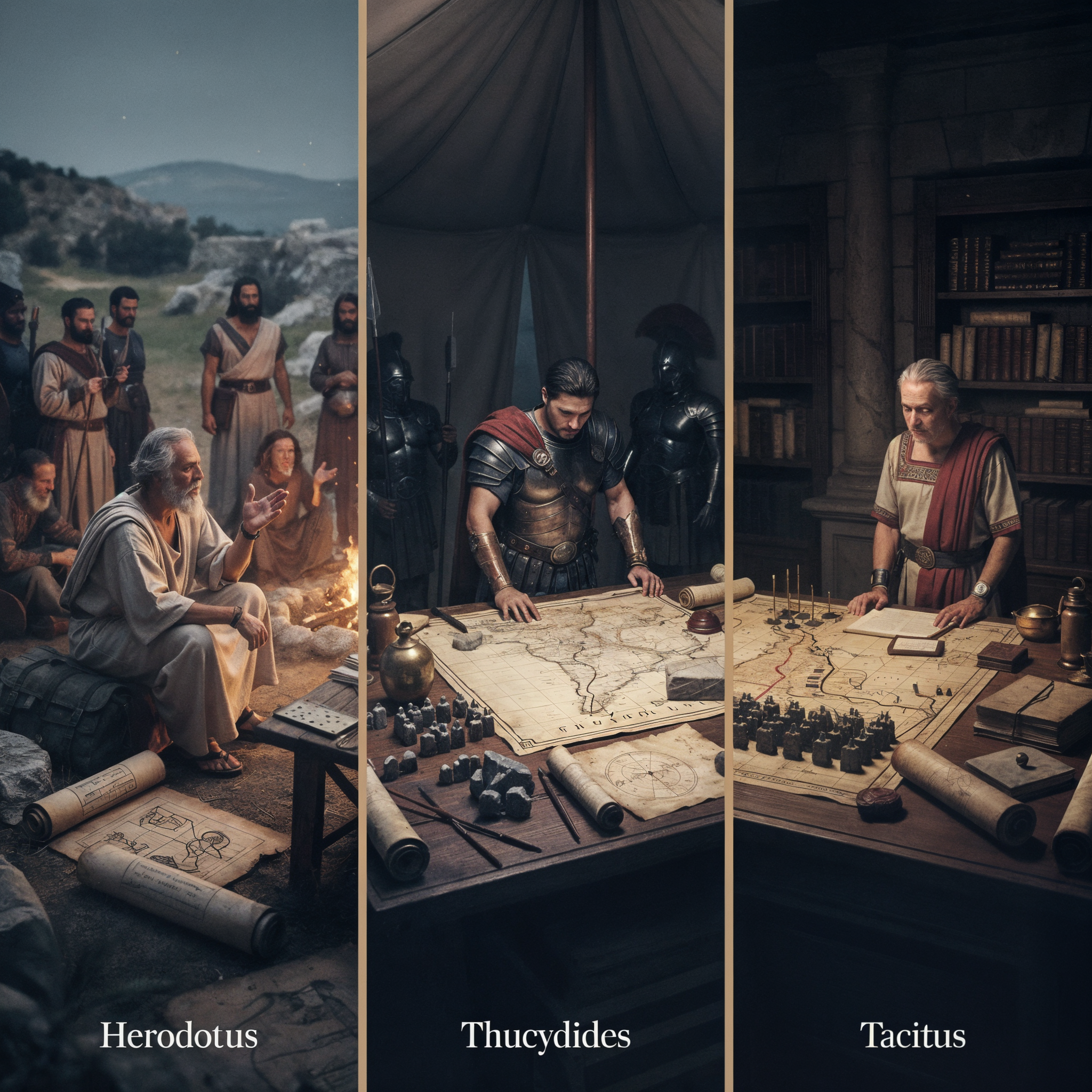
From Ethnography to Empire: Evolving Concepts of Authority
How authority is constructed, legitimised, and remembered shifts dramatically across Herodotus, Thucydides, and Tacitus. This paper traces the invisible thread connecting ethnographic observation to imperial critique — and what it reveals about power's dependence on narrative.

Power Authority
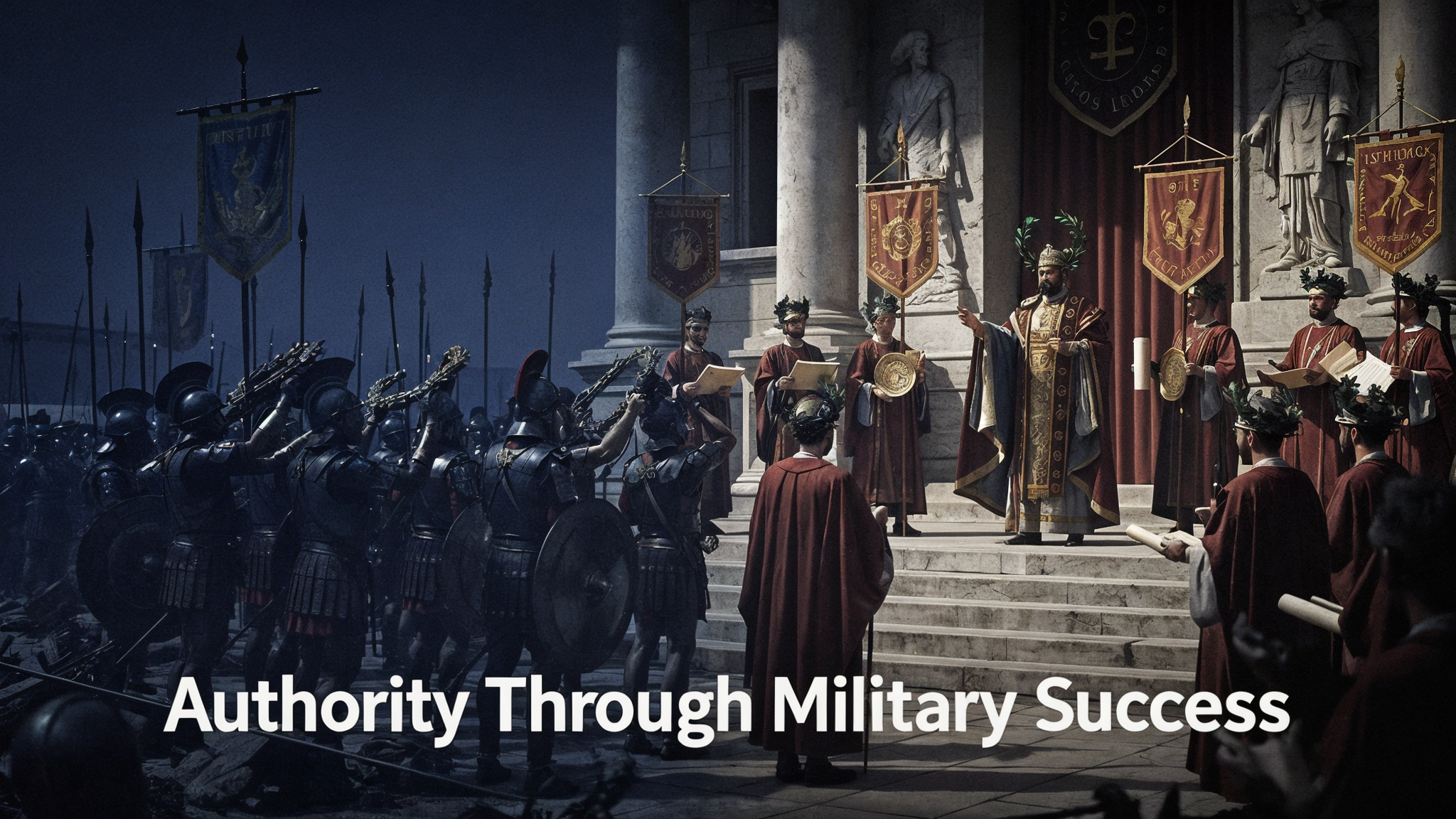
Authority Through Military Success: From Ethnographic Observation to Imperial Command
How military success functions as a source of legitimate authority shifts dramatically across Herodotus, Thucydides, and Tacitus — from cultural validation to strategic necessity to systematic control.
Power Authority
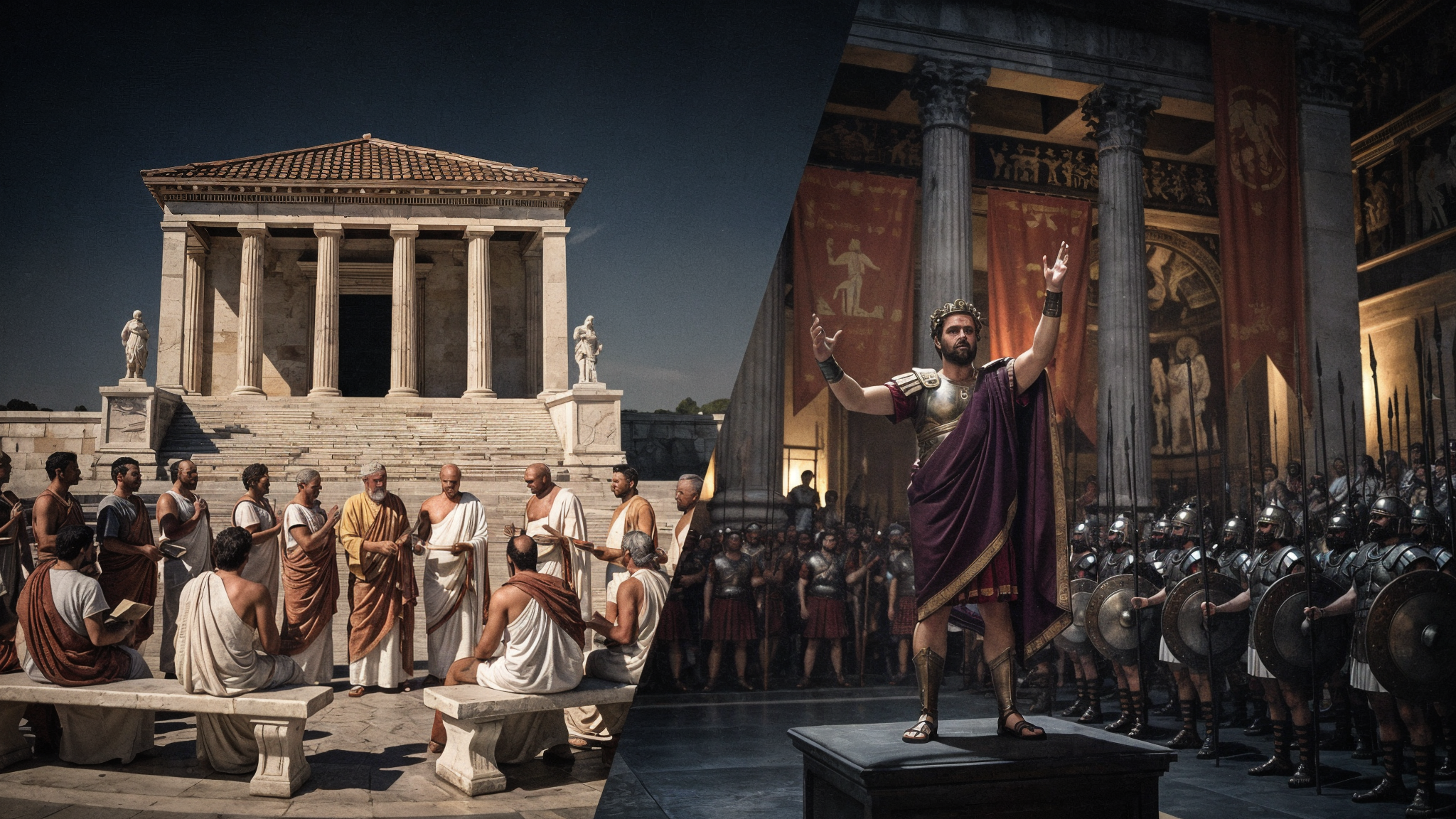
Democratic Power vs. Imperial Command: Comparative Analysis
What separates democratic authority from imperial command in classical sources — and why Thucydides and Tacitus answer that question so differently.
Power Authority
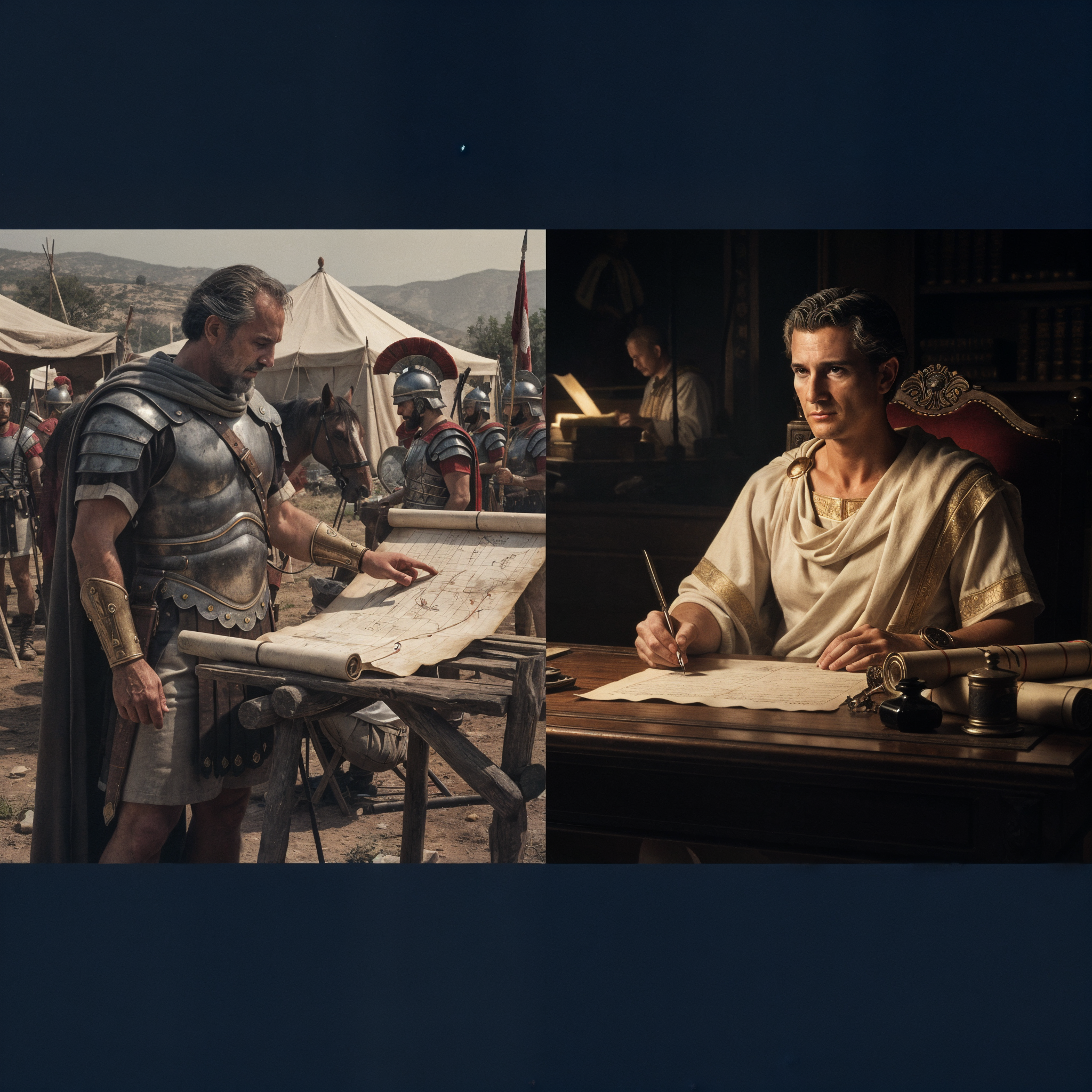
Three Models of Military Authority: Cultural Validation, Strategic Necessity, Systematic Control
How the source and expression of military-derived authority transformed from Herodotus's cultural validation to Thucydides's strategic necessity to Tacitus's systematic control.
Leadership Virtue
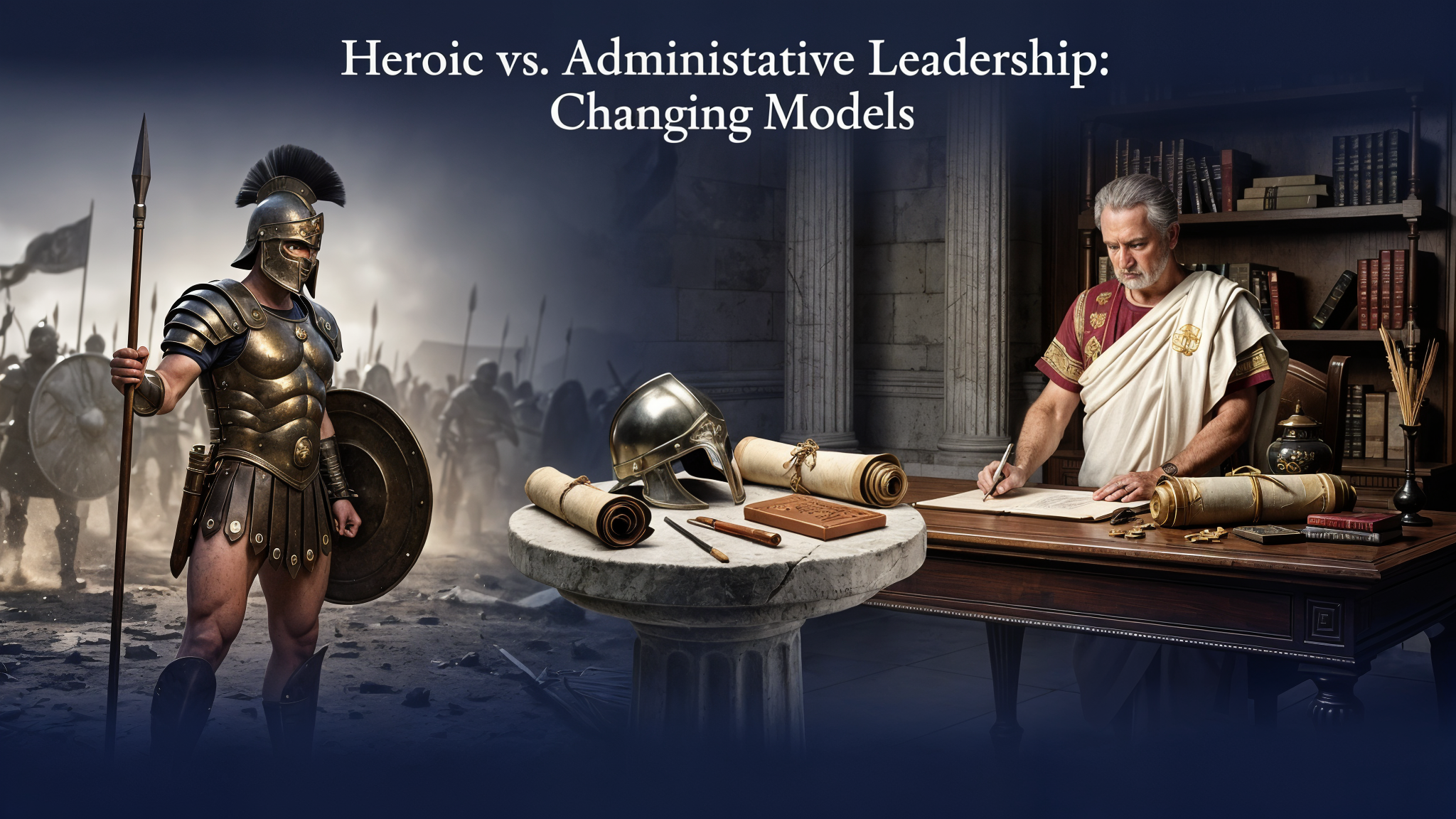
From Heroic Virtue to Administrative Efficiency: The Evolution of Leadership Models
How the classical definition of worthy leadership quietly transformed from Homer's battlefield hero to Xenophon's calculating statesman to Caesar's political operator.
Leadership Virtue
Heroic vs. Administrative Leadership: Changing Models
From Homer's battlefield hero to Caesar's calculating statesman — how the classical definition of worthy leadership quietly transformed over five centuries.
Cross Cultural
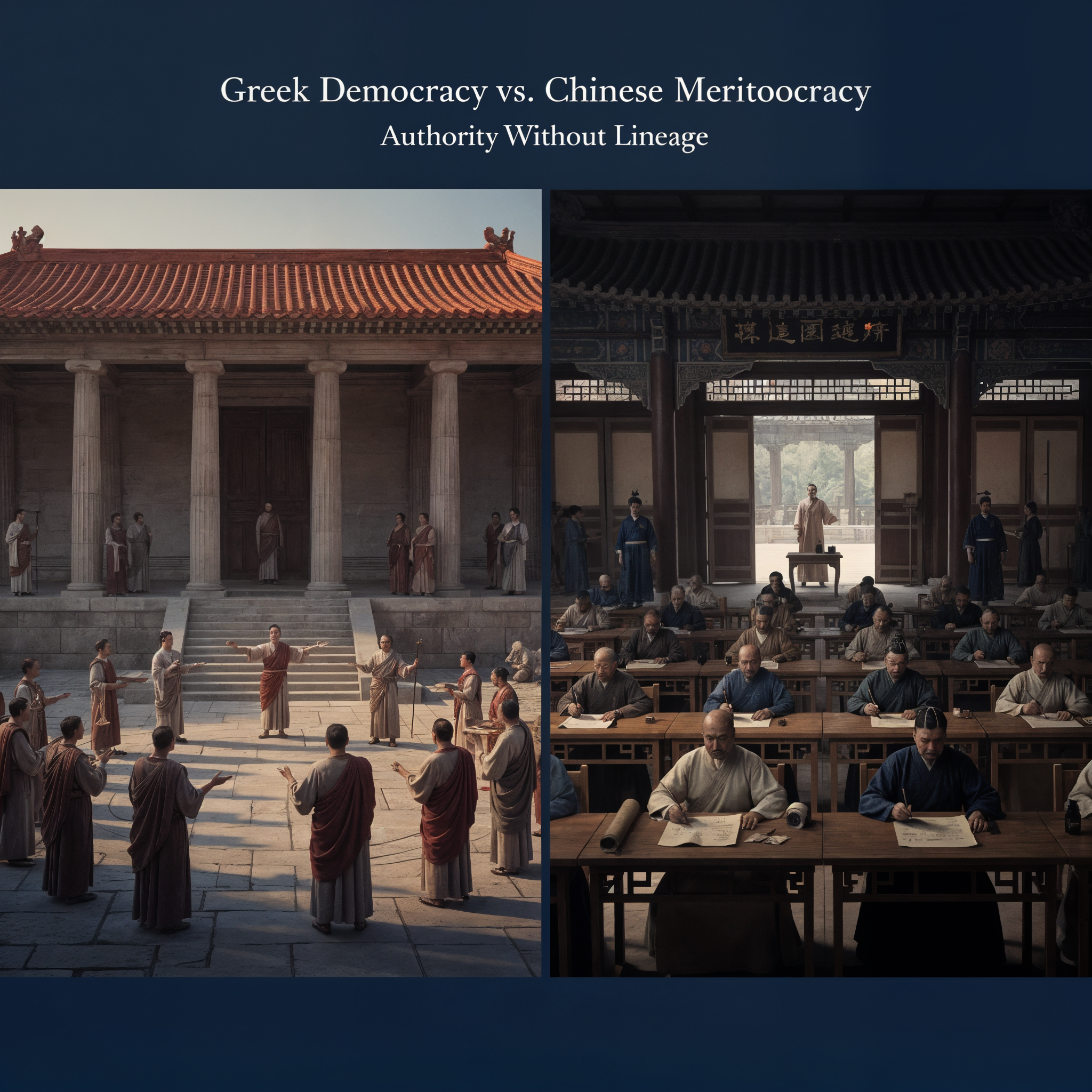
Greek Democracy vs. Chinese Meritocracy: Authority Without Lineage
How different civilizations solved the same fundamental problem: creating legitimate authority without hereditary claims.
Cross Cultural
Greek vs. Chinese Models of Authority: Democracy and Meritocracy Compared
How different civilizations solved the same fundamental problem: creating legitimate authority without hereditary claims.