Leadership & Virtue 6 Papers
How classical authors define, test, and subvert the ideals of worthy leadership.
Leadership Virtue
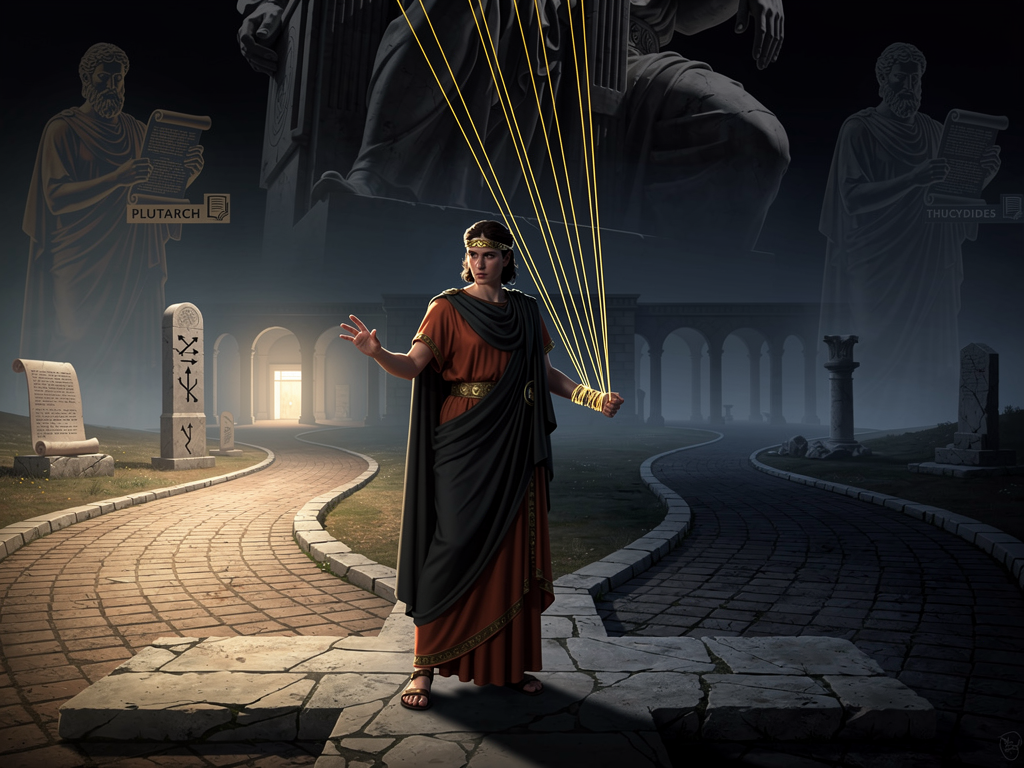
Character and Fate: Do Individuals Shape History, or Does History Shape Them?
Plutarch's 'great man' theory meets Thucydides' structural determinism. Do individuals shape history, or does history shape them? Drawing from Plutarch's Lives, Thucydides' analysis, Homer's tragic view, and Tacitus' autocratic psychology, this essay argues that character matters when constraints are loose, structure matters when constraints are tight — and the Homeric view offers synthesis: fate constrains outcomes, but choices reveal who you are.
Leadership Virtue
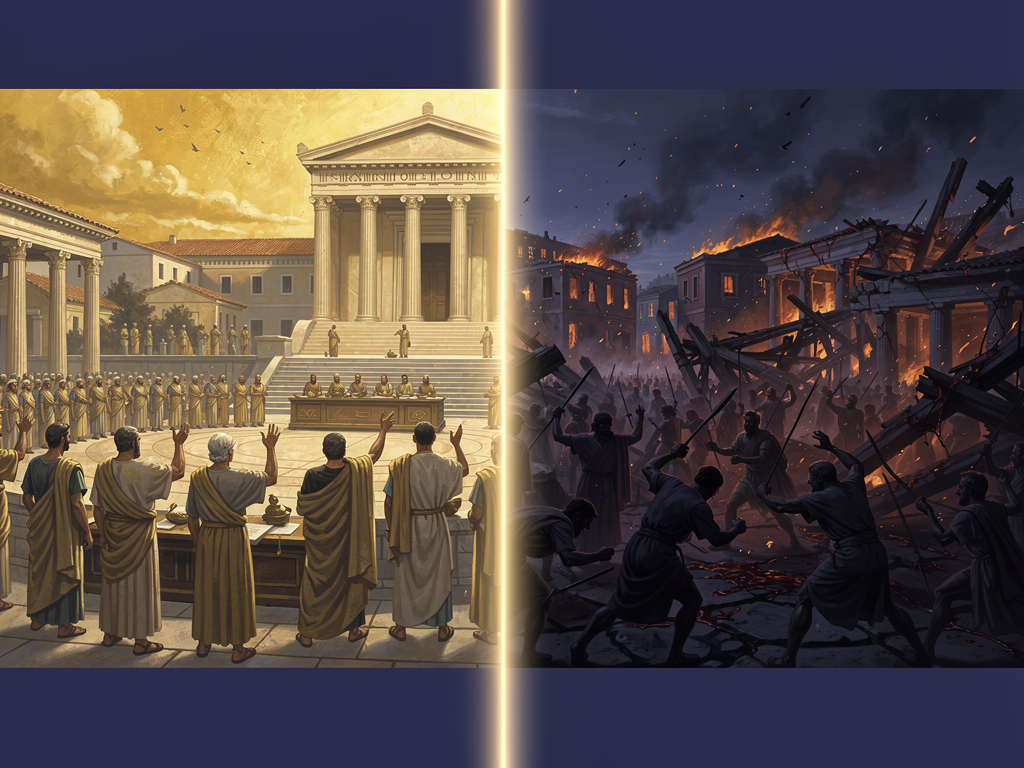
Civic Virtue as Political Foundation: Thucydides on the Fragility of Moral Order
How Thucydides documented civil war's destruction of moral categories—when war removes 'easy supply of daily wants,' virtue becomes vice and vice becomes virtue, revealing civic virtue as contingent on material prosperity rather than inherent human nature. Part 1 of the Virtue & Corruption series.
Leadership Virtue
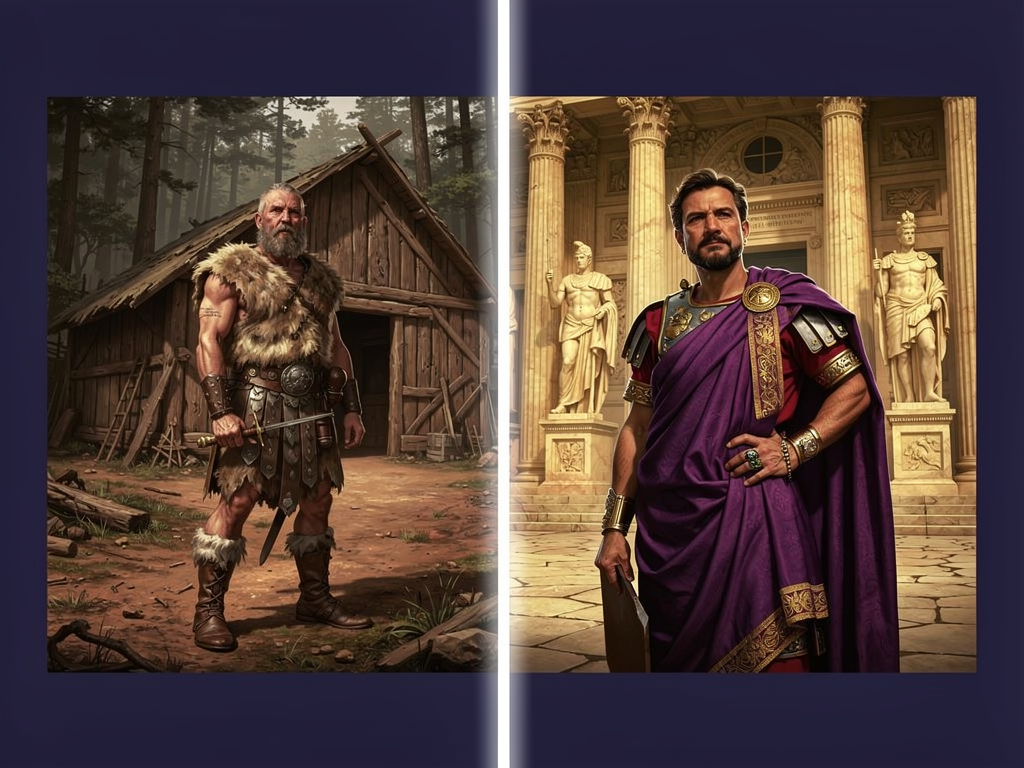
Barbarian Virtue as Roman Mirror: Tacitus on Germanic Moral Superiority
How Tacitus depicted Germanic martial valor, marital fidelity, and political liberty as mirror exposing Roman corruption—yet revealed barbarian virtue as product of poverty, validating Thucydides's materialist account. Part 2 of Virtue & Corruption series.
Leadership Virtue
The Virtue Paradox: Material Conditions and Moral Order
Synthesizing Thucydides and Tacitus: all virtue depends on material conditions. Poverty enables martial virtue, prosperity enables civic refinement yet breeds corruption. Political philosophy's foundation collapses—virtue cannot ground stable order. Part 3 of Virtue & Corruption series.

Leadership Virtue
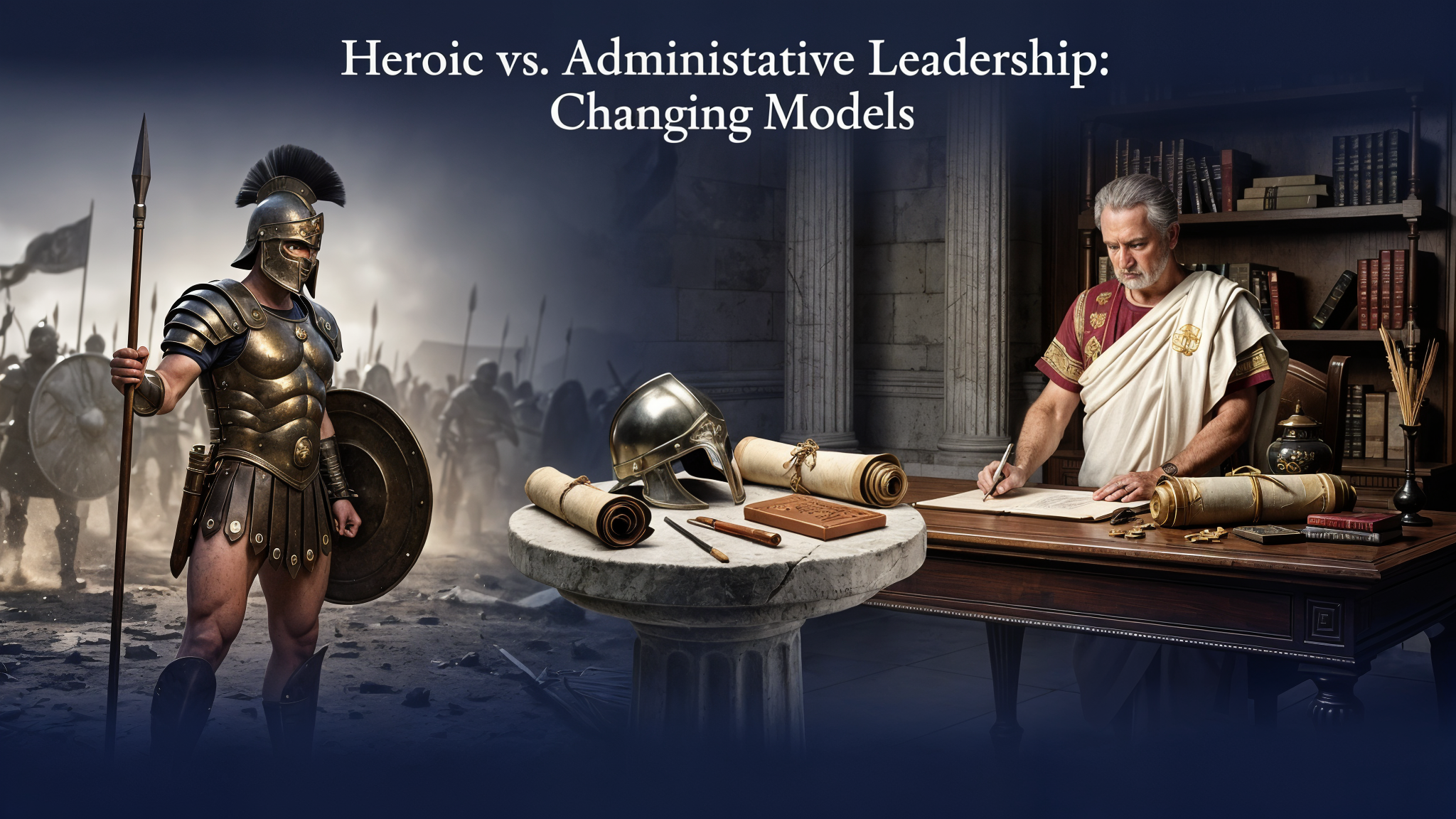
From Heroic Virtue to Administrative Efficiency: The Evolution of Leadership Models
How the classical definition of worthy leadership quietly transformed from Homer's battlefield hero to Xenophon's calculating statesman to Caesar's political operator.
Leadership Virtue
Heroic vs. Administrative Leadership: Changing Models
From Homer's battlefield hero to Caesar's calculating statesman — how the classical definition of worthy leadership quietly transformed over five centuries.